1275 McConnell Drive, Suite H. Decatur, GA 30033

Your dentist just told you that you need a crown. Your first reaction might be confusion — or even skepticism. Understanding why your dentist recommended a crown and the clinical reasons explained in Decatur can help ease that uncertainty. Dr. Ian Carlson and the team at Druid Hills Dental Decatur believe informed patients make better decisions about their oral health. This article breaks down exactly when and why a dental crown becomes the right clinical choice.
What Is a Dental Crown and What Does It Do?
A dental crown is a tooth-shaped cap that fits over a damaged or weakened tooth. It restores the tooth’s shape, strength, size, and appearance. Crowns can be made from porcelain, ceramic, metal alloy, or a combination of materials. Your dentist selects the best material based on the tooth’s location and function.
A crown is not a cosmetic upgrade chosen randomly. It is a clinically indicated restoration with specific, evidence-based reasons for placement. Think of it as a protective shell that keeps a compromised tooth functional and intact. Without it, certain teeth are at high risk of fracturing or being lost entirely.
- Restores full chewing function to a damaged tooth
- Prevents further cracking or structural collapse
- Seals the tooth against bacteria after procedures like root canals
- Distributes bite pressure evenly across the tooth surface
- Extends the lifespan of a tooth that might otherwise need extraction
Clinical Reason 1 — Cracked Tooth Syndrome
A cracked tooth is one of the most common reasons dentists recommend a crown. Cracks are often invisible on X-rays, making diagnosis tricky. Patients typically notice sharp pain when biting down or sensitivity to cold. These are classic warning signs of cracked tooth syndrome.
Cracks can travel vertically down the root if left untreated. Once a crack reaches the root, tooth extraction often becomes unavoidable. A crown holds the tooth together by binding the segments. It stops the crack from spreading and restores comfortable chewing.
Decatur patients who clench or grind their teeth are particularly prone to cracked tooth syndrome. Athletic injuries and biting hard foods also cause cracks. Dr. Ian Carlson conducts a thorough clinical exam to confirm the diagnosis before recommending treatment. Early crown placement saves teeth that would otherwise be lost.
Clinical Reason 2 — Large Filling Failure or Excessive Decay
Fillings have a natural lifespan. Over time, old fillings can crack, shrink, or pull away from the tooth wall. When that happens, bacteria sneak into the gap and cause new decay underneath. A dentist may discover this during a routine checkup before you feel any symptoms.
Sometimes a cavity grows so large that there simply is not enough healthy tooth structure left to support another filling. Placing a filling in that situation would be like patching a crumbling wall — it will not hold. A crown covers the entire tooth and distributes biting forces safely. This is the clinically sound solution when decay has consumed more than half of the tooth’s natural structure.
- Old amalgam fillings expand and contract with temperature changes over decades
- Micro-fractures develop around large fillings under repeated bite pressure
- Secondary decay under a failed filling weakens the remaining tooth walls
- Crowns protect what healthy structure remains after decay removal
If Dr. Carlson recommends a crown to replace a failing filling, it means the tooth has reached a threshold where a filling cannot provide adequate protection. This recommendation protects your long-term oral health.
Clinical Reason 3 — After a Root Canal Treatment
Root canal treatment removes infected pulp tissue from inside the tooth. This process saves the tooth from extraction. However, the tooth becomes structurally weaker after the procedure. The tooth loses its internal blood supply, making it more brittle over time.
A back tooth — a molar or premolar — endures enormous chewing forces every day. Without a crown, a root-canal-treated molar is highly likely to fracture. Studies show that back teeth without crowns after root canals are significantly more likely to fail within a few years. A crown acts as a full-coverage protector that absorbs those forces safely.
Front teeth face less biting pressure, so a crown is not always required after a root canal there. Dr. Ian Carlson assesses each tooth individually before making a recommendation. The clinical guideline is clear: a crown after a root canal on a posterior tooth is considered standard of care. Skipping it risks losing the tooth you just worked hard to save.
Clinical Reason 4 — Broken Cusp or Severely Worn Teeth
A broken cusp is when a chunk of the outer tooth wall snaps off. This can happen suddenly — biting into ice, popcorn kernels, or a hard candy. A broken cusp leaves the inner layers of the tooth exposed and vulnerable. Sensitivity, pain, and further fracturing often follow quickly.
Severely worn teeth present a different challenge. Bruxism — chronic teeth grinding — gradually erodes the enamel. Over years, teeth can become so flattened that the bite collapses. This affects jaw function, aesthetics, and comfort. A crown rebuilds lost tooth structure and restores a proper bite height.
In both cases, a filling is not sufficient. The missing or worn tooth structure is too extensive for a simple patch. A crown recreates the entire functional surface of the tooth. This is a protective and restorative decision, not a cosmetic one.
When a Crown Overlaps With Other Dental Concerns
Sometimes a crown recommendation comes up during treatment for an urgent dental issue. If you experience sudden tooth pain or trauma, you may need Emergency Dentistry Decatur services before a crown can be placed. Stabilizing the tooth first is always the priority in an urgent situation.
Other times, patients ask about improving the appearance of heavily restored teeth. Crowns can serve both protective and aesthetic purposes simultaneously. If you are interested in the cosmetic side of dental restorations, our team also offers Cosmetic Dentistry Decatur services that address both form and function. Dr. Carlson will discuss which approach suits your specific clinical needs.
What to Expect During the Crown Process at Druid Hills Dental Decatur
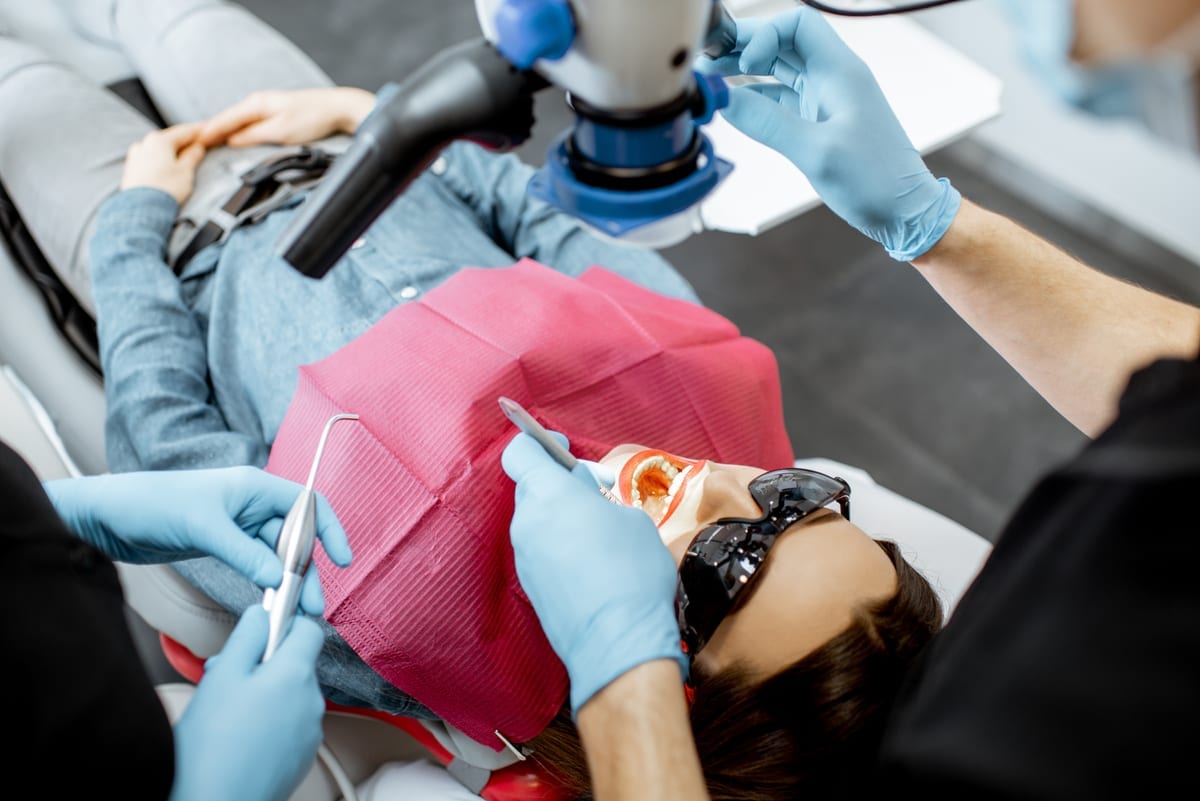
Getting a crown typically involves two appointments. During the first visit, Dr. Carlson prepares the tooth by reshaping it slightly. He then takes precise impressions or digital scans. A temporary crown protects the tooth while your permanent one is fabricated.
At the second appointment, the permanent crown is bonded into place. Dr. Carlson checks the bite carefully and makes any needed adjustments. Most patients find the procedure straightforward and comfortable. Local anesthesia ensures you feel no pain during preparation.
- Initial exam and confirmation of clinical need for a crown
- Tooth preparation and impression or digital scan
- Temporary crown placement while the permanent crown is made
- Permanent crown placement and bite adjustment
- Follow-up if any sensitivity or discomfort arises
Conclusion — A Crown Recommendation Is a Clinical Decision
When Dr. Ian Carlson recommends a crown, it is based on clear clinical evidence. Cracked teeth, large filling failures, post-root-canal fragility, and broken cusps are all legitimate reasons that support crown placement. Understanding the reasoning helps you feel confident in your treatment plan. A crown protects your tooth and preserves your long-term oral health. Book Now to schedule your appointment with our team.
Frequently Asked Questions
How do I know if I really need a crown or if a filling will work?
The decision depends on how much healthy tooth structure remains. If decay or damage has affected more than half the tooth, a filling cannot provide adequate support. Dr. Carlson uses clinical examination and X-rays to determine the right restoration for your situation.
Will getting a crown hurt?
The procedure is performed under local anesthesia, so you should not feel pain during treatment. Some mild sensitivity around the gum line is normal for a few days after preparation. Over-the-counter pain relievers typically manage any post-appointment discomfort comfortably.
How long does a dental crown last?
With proper care, a well-made crown can last 10 to 15 years or longer. Brushing twice daily, flossing, and attending regular checkups all extend crown longevity. Patients who grind their teeth may benefit from a night guard to protect their crown from excess wear.
Can I delay getting the crown my dentist recommended?
Delaying a crown after a strong clinical recommendation carries real risk. A cracked or weakened tooth can fracture completely while you wait. Once a tooth breaks to the root, extraction may become the only option. Acting promptly protects the tooth and avoids more complex treatment later.
Are there alternatives to a dental crown?
In some cases, an onlay or inlay can protect a tooth with less coverage than a full crown. However, these alternatives only work when enough healthy tooth structure remains. Dr. Carlson will discuss every appropriate option with you before finalizing any treatment plan.