
1275 McConnell Drive, Suite H. Decatur, GA 30033
When was the last time you thought about the health of your teeth? Many of us often overlook our oral health until something feels off. Whether it’s discomfort or an aesthetic concern, your teeth can show signs when they need help. One solution that can restore both function and appearance is a dental crown.
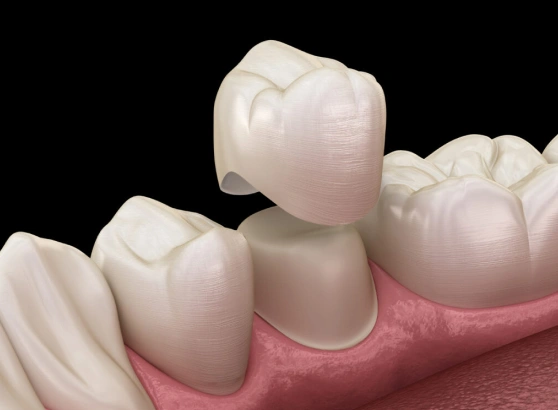
A dental crown is a cap that covers a damaged or weakened tooth, providing protection and restoring its natural look. In this blog, we’ll go over common signs that might indicate it’s time for a dental crown to protect your smile and prevent further damage.
Understanding Dental Crowns: What They Are and How They Work
A dental crown is a tooth-shaped cap placed over a tooth to restore its size, shape, strength, and appearance. Crowns are often used when a tooth is damaged beyond the ability of a filling or is weakened by decay or trauma. They can be made from various materials, including porcelain, metal, and ceramic, to match the color of your teeth or to provide extra durability.
The main purpose of a crown is to provide support and protection for a damaged tooth. Crowns cover the entire tooth, preventing further decay and damage. They also help in maintaining the tooth’s function, allowing you to chew, bite, and talk normally. Whether your tooth is cracked, severely decayed, or needs restoration after a root canal, a crown can effectively restore your smile and oral health.
Dental crowns in Decatur are a common and reliable solution for people looking to improve the strength and aesthetics of their teeth. When properly cared for, they can last for many years, making them a great investment in your oral health. If you’re experiencing any of the signs we’ll discuss, a dental crown may be just what you need to protect your tooth from further damage.
Top 5 Signs Indicating the Need for Dental Crowns
1. Cracked or Chipped Teeth
Teeth can become cracked or chipped due to accidental trauma, biting hard foods, or normal wear and tear over time. Even small cracks can lead to larger fractures, which compromise the tooth’s structural integrity.
Why a Crown Helps: A crown can cover the damaged tooth, reinforcing its strength and preventing the crack from worsening. By sealing the crack, a crown prevents bacteria from getting inside the tooth, which could lead to an infection.
Signs to Watch: If you notice sharp pain or discomfort, especially when chewing or drinking hot and cold beverages, it might be a sign of a cracked or chipped tooth that requires a crown.
2. Sensitivity to Hot or Cold
Heightened sensitivity to hot or cold temperatures often occurs when the enamel on your tooth becomes damaged or worn down. This sensitivity can be uncomfortable and may indicate a deeper issue with the tooth.
Why a Crown Helps: A crown can cover the exposed tooth and help shield it from temperature sensitivity, protecting the underlying nerves and restoring comfort. Crowns can provide a long-term solution to reduce discomfort caused by sensitive teeth.
Signs to Watch: Sudden pain or discomfort after consuming hot or cold foods or beverages, especially if the sensation lingers, is a common symptom that may warrant a dental crown.
3. Large Fillings that Need Replacement
As fillings age or become damaged, they can weaken the tooth structure, increasing the risk of fractures or decay. If you have a large filling, especially one that covers a significant portion of the tooth, it might be time for a crown.
Why a Crown Helps: A crown can replace large fillings that are no longer effective, restoring the tooth’s strength and stability. Crowns prevent further damage and provide lasting protection.
Signs to Watch: Frequent breakdown of old fillings or increasing discomfort near the filling might indicate that a crown is needed to restore the tooth.
4. Discoloration or Severe Staining
Teeth that are discolored or have severe staining might indicate that the tooth is structurally compromised or has significant decay. Discoloration often comes from damage to the tooth’s surface, making it not only a cosmetic concern but also a potential health issue.
Why a Crown Helps: Crowns can improve the appearance of discolored teeth by covering up stains and restoring the tooth’s natural color. They also protect the tooth from further decay or deterioration.
Signs to Watch: If a tooth is darkened or appears stained despite regular cleaning, it may be a sign of damage that can be addressed with a dental crown.
5. Pain While Chewing or Biting Down
Pain while chewing can indicate that a tooth is damaged, cracked, or weakened. If the tooth has a deep crack or internal damage, the pressure from chewing can aggravate the discomfort, causing further damage.
Why a Crown Helps: A crown helps redistribute the pressure while chewing, alleviating pain and providing stability to the compromised tooth. It also reinforces the tooth to prevent future damage.
Signs to Watch: Persistent pain when chewing, especially on certain sides of the mouth, is a clear indication that a dental crown could restore your tooth and eliminate discomfort.
The Benefits of Getting a Dental Crown
Getting a dental crown has several benefits beyond just restoring the appearance of your tooth. Crowns offer protection, functionality, and aesthetics, making them an excellent choice for many dental issues.
Protection: Crowns provide a sturdy barrier against further damage or decay. They prevent cracks and chips from worsening, ensuring your tooth remains intact for years.
Functionality: Crowns restore the tooth’s strength, making it easier to chew and bite down. Whether it’s a back molar or a front tooth, a crown ensures your teeth remain functional and comfortable.
Aesthetics: Dental crowns in Decatur are designed to blend seamlessly with your natural teeth. They are particularly useful for front teeth, as they can match the color and shape of your natural teeth, improving your smile’s appearance.
The Process of Getting a Dental Crown: What to Expect
The process of getting a dental crown typically involves two visits to your dentist. During your first visit, your dentist will examine the damaged tooth and take X-rays to assess the extent of the damage. If necessary, the tooth will be shaped to fit the crown, and a temporary crown will be placed.
At your second visit, the permanent crown will be placed. The dentist will ensure it fits comfortably and looks natural before securing it in place. Modern crowns are durable and provide lasting results, giving you both functionality and aesthetics.
If you’ve noticed any of the signs mentioned, it might be time to consider getting a dental crown. Cracked teeth, increased sensitivity, and large fillings that need replacement are all signs that you could benefit from a crown.
Don’t wait until the damage worsens. Reach out to us today for an evaluation. Our team is ready to help restore the health and appearance of your teeth with a dental crown that meets your needs. Schedule an appointment today and take the first step towards a stronger, more beautiful smile!
FAQs
Is it necessary to replace a crown?
If a crown becomes worn, damaged, or loose, it should be replaced to protect the tooth and maintain oral health.
Will a dental crown affect my bite?
No, a properly placed crown should fit seamlessly with your natural bite, allowing you to chew and speak normally.
Can dental crowns be used on front teeth?
Yes, crowns can be placed on front teeth. Porcelain crowns are commonly used for front teeth due to their natural appearance.
Can I eat right after getting a dental crown?
After getting a temporary crown, avoid eating hard foods until the permanent crown is placed. Once the permanent crown is in place, you can eat normally.
How long does the dental crown procedure take?
The procedure typically takes two visits: one for preparation and impressions, and the second for placing the permanent crown. Each visit lasts about 1-2 hours.