1275 McConnell Drive, Suite H. Decatur, GA 30033
Many patients in North Druid Hills leave a cleaning appointment and wonder why their smile still looks a little dull. Understanding what your teeth cleaning can and cannot remove in North Druid Hills helps set realistic expectations. A professional cleaning does a lot of important work. But it is not the same thing as a whitening treatment, and knowing the difference can save you frustration.
At Druid Hills Dental Decatur, Dr. Ian Carlson hears this question often. Patients want a brighter smile, and they assume a routine cleaning will deliver dramatic color changes. Sometimes it does make a visible difference. Other times, stubborn discoloration requires a separate step. This guide breaks it all down for you.
What a Professional Teeth Cleaning Actually Does
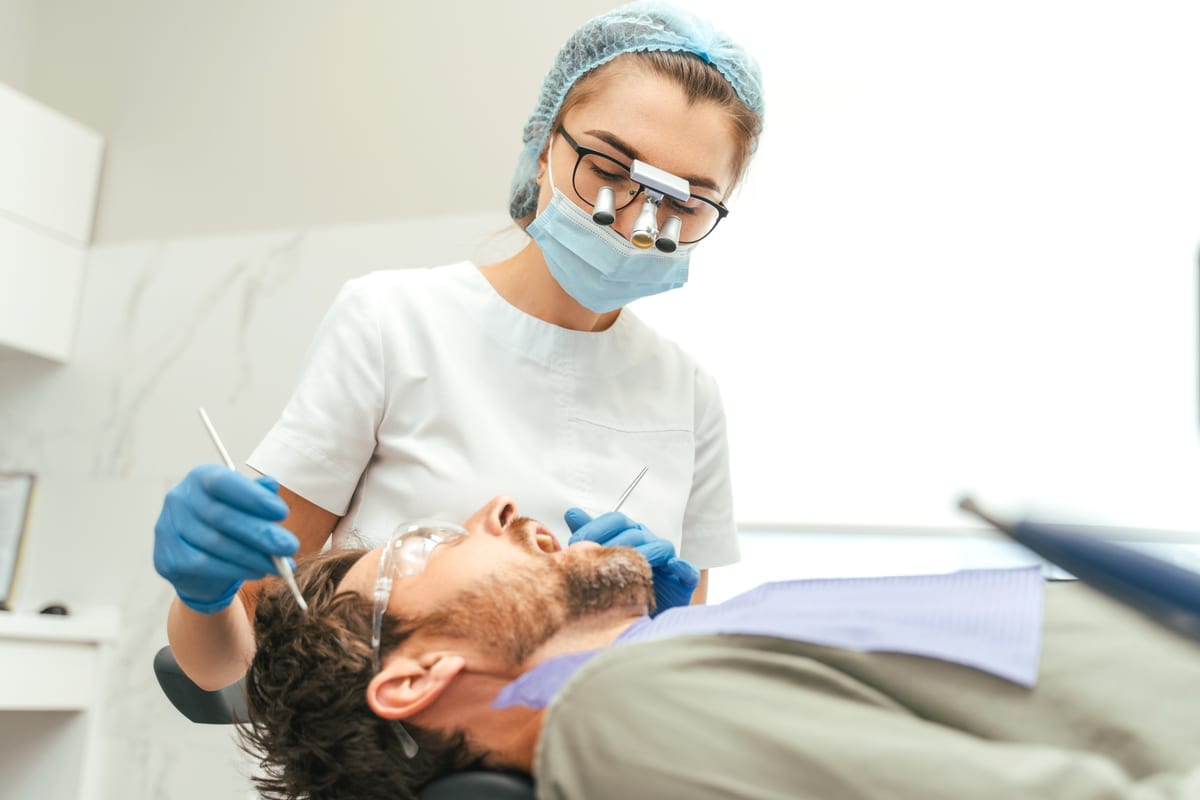
A standard cleaning, called a prophylaxis, focuses on removing buildup from your teeth. Your dental hygienist uses specialized tools to scrape away plaque and tartar. Plaque is a soft, sticky film of bacteria. Tartar is hardened plaque that brushing alone cannot remove at home.
After scaling, your hygienist polishes your teeth with a gritty paste. This polishing step buffs away light surface stains. Coffee, tea, and wine can leave thin deposits on enamel. Polishing lifts those deposits and leaves your teeth feeling smooth and looking cleaner.
Here is a quick summary of what the cleaning process targets:
- Soft plaque buildup along the gumline
- Hardened tartar deposits on tooth surfaces
- Light surface stains from food and beverages
- Bacteria hiding in hard-to-reach spots between teeth
- Early signs of gum irritation caused by buildup
The result is a healthier mouth and a modest cosmetic improvement. Most patients notice their teeth feel cleaner and look slightly brighter. That improvement, though, has real limits.
What Your Cleaning Cannot Remove in North Druid Hills
Not all discoloration sits on the surface of your enamel. Some staining lives inside the tooth structure itself. This is called intrinsic staining. Intrinsic stains form inside the dentin layer beneath your enamel. No amount of polishing will touch them.
Common causes of intrinsic staining include aging, certain medications like tetracycline, and past dental trauma. Fluorosis, which happens from too much fluoride during childhood, can also create internal discoloration. These types of stains require a cosmetic solution, not a cleaning.
There are also extrinsic stains that a routine cleaning struggles to fully remove. Heavy, long-term tobacco use creates deep pigmentation on enamel. Years of dark beverage consumption can build up layers of staining that polish cannot fully lift. These patients often benefit from a professional whitening treatment after their cleaning.
Here is a clear breakdown of stain types and what addresses them:
- Light surface stains: Removed or reduced during routine cleaning
- Moderate extrinsic stains: Partially reduced by cleaning, improved further with whitening
- Heavy tobacco or beverage stains: Minimally affected by cleaning alone, need whitening
- Intrinsic stains: Not affected by cleaning at all, require cosmetic treatment
Understanding this distinction helps you have a better conversation with Dr. Carlson about your goals. There is no single answer that fits every patient.
When Teeth Whitening Makes More Sense Than Cleaning Alone
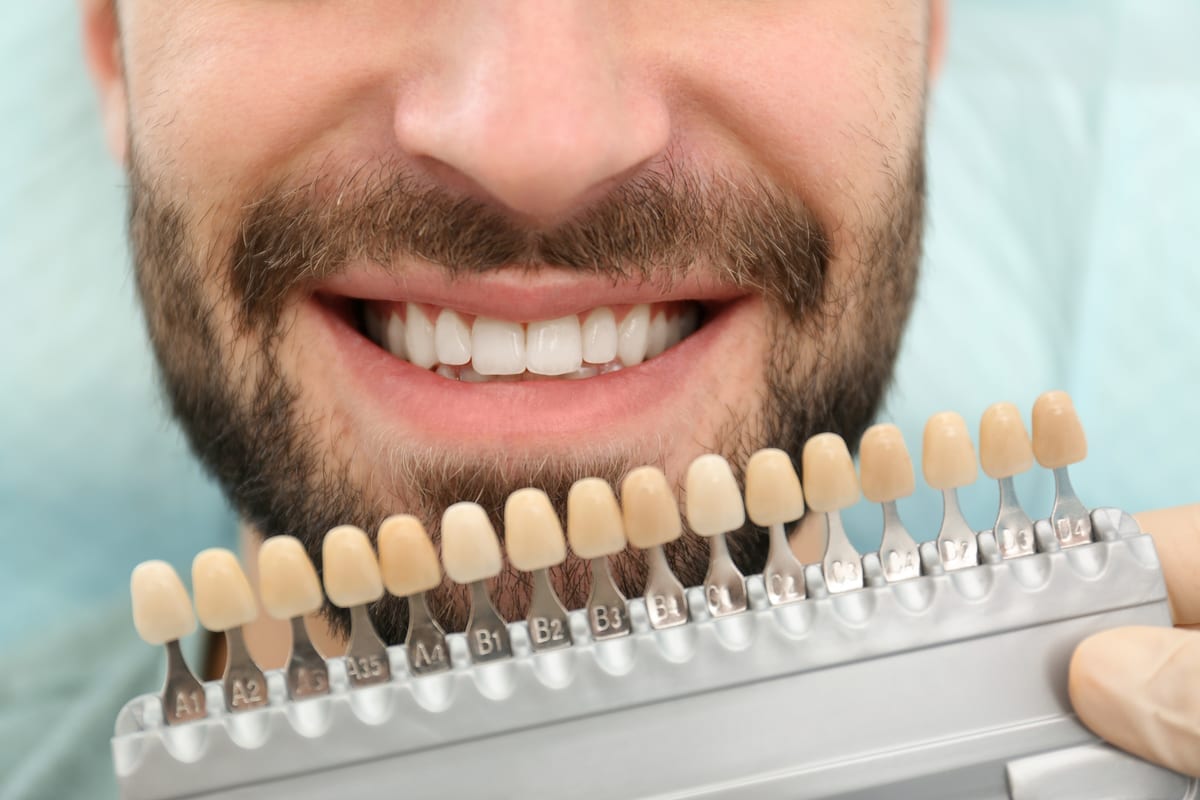
If your primary goal is a noticeably whiter smile, whitening is the more targeted tool. Professional whitening uses peroxide-based agents that penetrate enamel. These agents break apart the chemical bonds that create tooth discoloration. The result is a deeper, more even brightness that polishing cannot replicate.
At Druid Hills Dental Decatur, whitening is part of our Cosmetic Dentistry services. Dr. Carlson recommends completing your cleaning first before whitening. A clean surface allows the whitening agent to work more evenly. Tartar and plaque buildup can block the gel from reaching enamel properly.
In-office whitening delivers faster results under controlled conditions. Take-home trays provide a more gradual improvement over a few weeks. Both options outperform polishing when the goal is significant color change. Your specific stain type and lifestyle help determine which approach fits you best.
It is also worth noting that whitening does not work on dental restorations. Crowns, veneers, and bonding do not respond to peroxide agents. If you have visible restorations, Dr. Carlson can discuss options that create a balanced, natural look.
How to Maintain Results Between Appointments in North Druid Hills
Once you understand what your cleaning can and cannot remove in North Druid Hills, the next step is protecting your results. Consistent habits at home make a meaningful difference. Brushing twice daily with a fluoride toothpaste removes plaque before it hardens. Flossing daily clears the spaces a toothbrush simply cannot reach.
Reducing high-stain foods and drinks slows the return of surface discoloration. If you drink coffee or tea daily, rinsing with water afterward helps. Using a straw for dark beverages limits direct contact with enamel. These are small adjustments that add up over time.
Visiting Dr. Carlson every six months keeps tartar from accumulating. Regular cleanings also let your hygienist catch early concerns before they grow. If you ever experience unexpected tooth pain or swelling between visits, our team also provides Emergency Dentistry services for urgent needs.
Staying consistent with your schedule is the single most effective thing you can do. Preventive care is always easier and less costly than restorative treatment. A clean, healthy mouth is the foundation for any cosmetic improvements you want to pursue.
Talking to Dr. Carlson About Your Smile Goals
Every patient in the Decatur and North Druid Hills area comes in with different expectations. Some patients simply want a healthy, clean mouth. Others want a noticeably whiter smile before a big event or milestone. Both goals are valid, and Dr. Carlson tailors his recommendations to each individual.
During your visit, share your concerns openly. If surface stains bother you, say so. If you have noticed internal discoloration that has been there for years, bring it up. The more context Dr. Carlson has, the better he can guide you toward the right solution.
A cleaning is always the smart first step. It removes the buildup that gets in the way of everything else. From there, cosmetic options like whitening or veneers can address what cleaning alone leaves behind. You deserve to feel confident about your smile, and the path there starts with honest, personalized guidance.
Ready to get started? Book Now to schedule your appointment with our team.
Frequently Asked Questions
Will a teeth cleaning make my teeth noticeably whiter?
A cleaning can remove light surface stains and leave your teeth looking cleaner and slightly brighter. However, it is not designed to dramatically change tooth color. For significant whitening, a professional whitening treatment works much more effectively alongside your cleaning.
How is professional teeth whitening different from a cleaning?
A cleaning removes plaque, tartar, and surface deposits using physical tools and polishing paste. Whitening uses a peroxide-based agent that penetrates enamel to break down discoloration at a deeper level. They serve different purposes and work best together rather than as alternatives to each other.
Can a cleaning remove stains caused by smoking or tobacco use?
A routine cleaning may reduce mild tobacco staining slightly through polishing. However, heavy or long-term tobacco stains are deeply embedded in enamel and typically require professional whitening for meaningful improvement. Dr. Carlson can assess the extent of your staining and recommend the right next step.
How often should North Druid Hills patients schedule a cleaning?
Most patients benefit from a professional cleaning every six months. Some patients with gum disease or heavy buildup may need more frequent visits. Dr. Carlson will recommend a schedule based on your individual oral health needs during your exam.
What if my discoloration is inside the tooth and not on the surface?
Intrinsic staining, which occurs within the dentin layer, cannot be addressed through cleaning or standard whitening alone. Options like veneers or dental bonding may be better suited for this type of discoloration. Dr. Carlson will evaluate your teeth and explain which cosmetic solutions make the most sense for your situation.