1275 McConnell Drive, Suite H. Decatur, GA 30033
If a tooth is damaged or infected, most people fear that the entire tooth will be lost. However, root canal therapy allows you to save your natural tooth and avoid extraction. Root canal therapy is a well-established, safe, and effective treatment in which the infection or decay inside the tooth is cleaned out, preserving the tooth for many years to come. This treatment is vital because it allows you to maintain a natural smile and avoid more invasive dental procedures, such as tooth extractions and implants.
Feeling apprehensive about any dental procedure is normal, especially if you have been informed that you require root canal therapy. Understanding the benefits of this treatment and the steps involved can help ease your concerns. In this blog, we’ll walk you through the steps of root canal treatment and address some common concerns about the procedure. You will also learn why this treatment is the best choice for preserving your natural tooth.
What is Root Canal Therapy?
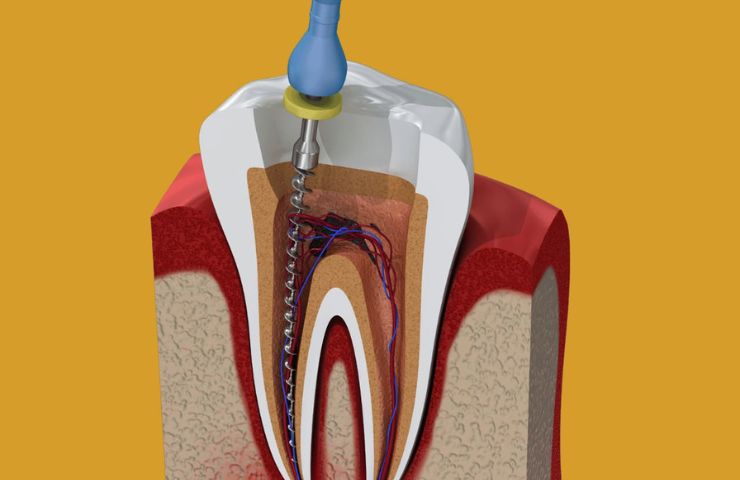
Root canal therapy is a dental procedure used to treat infection at the center of a tooth, called the root canal system. When the soft tissue inside the tooth-the pulp-becomes infected or inflamed, it can lead to pain, sensitivity, or even abscesses. The infection may result from a deep cavity, a cracked tooth, or tooth trauma. The steps in root canal treatment include removing the infected pulp, cleaning and disinfecting the area, and filling and sealing the tooth to prevent further infection. This allows the tooth to remain in the mouth, maintaining its function and appearance.
Although people think root canal therapy in Decatur, GA, is a painful procedure, it is, in fact, a comfortable treatment than most people realize. However, many patients feel only mild discomfort during the procedure. This treatment often provides an alternative to a more complex tooth extraction, thereby allowing you to maintain your natural tooth and retain proper biting and chewing function.
How Long Does a Root Canal Take?
It usually takes about 90 minutes to two hours to perform root canal therapy, depending on the case’s difficulty. Simple cases may require only a single visit to treatment, while complicated cases may need multiple visits. During that time, your dentist or endodontist cleans out the infection, disinfects the area, and fills the tooth. Afterwards, a crown or filling is usually placed to protect the tooth from further damage.
Recovery time is variable, but typically quite short. While most patients resume normal activities after a couple of days, any residual discomfort may take 1 to 2 weeks to settle completely.
Is Root Canal Painful?
Many individuals hesitate to see a dentist for root canal treatment, thinking it is a painful procedure, when in fact it is usually painless. Modern dental anesthesia ensures the treatment area is numbed so you feel no pain during treatment. You might feel some post-procedural discomfort once the anesthesia starts to wear off; this can be mild and can usually be managed by over-the-counter pain relievers.
It is significant to consider that the pain from an infected tooth is far greater than the discomfort one would feel from the procedure. Remember, root canal therapy can help eliminate this severe pain caused by the infection and regain your comfort.
Recovery Time After Root Canal
Following root canal therapy, most patients can expect minor discomfort or sensitivity in the treated tooth for a few days, especially when chewing or clenching the treated tooth. However, the recovery time is usually between a few days and a week. The recovery process is much faster than most people think.
During the first day or two, it is recommended to eat soft foods and avoid chewing directly on the treated tooth. If you have significant pain or swelling after the procedure, it is crucial to follow up with your dentist or endodontist to ensure proper healing. If you take proper care afterward, such as avoiding hard or sticky foods and following your dentist’s post-operative instructions, you will be back to normal in no time.
The Advantages of Root Canal Therapy in Tooth Preservation
There are several long-term advantages of root canal therapy over tooth extraction. Some of the main advantages of this treatment are as follows:
- Less-Invasive Treatment: Root canal therapy is usually faster and less invasive than extraction and replacement.
- Preserve Your Natural Bite: Saving the tooth maintains the strength and function of your natural bite; the tooth will continue to support the surrounding teeth and prevent shifting, which can occur with an extraction.
- Avoid Future Treatments: It can also prevent more complex treatments later, such as placing dental implants or bridges to replace your missing tooth.
Keep Your Natural Tooth with Root Canal Therapy
If you have a badly decayed or infected tooth, root canal therapy is an excellent way to save your tooth and avoid extraction. The procedure is effective, relatively quick, and causes little to no discomfort. With proper care and follow-up, your treated tooth can last for years, preserving both the function and aesthetics of your smile.
At Druid Hills Dental, we understand how important it is to maintain your healthy, natural teeth. If you are in discomfort or suspect a need for a root canal, our professional team is here to help. We will walk you through the process and ensure you are comfortable at every step. Book an appointment today and allow us to help you maintain your smile for years to come.
FAQs
1. How long does a root canal take?
A root canal typically takes 90 minutes to two hours, depending on the complexity of the case. Some cases may require multiple visits.
2. Is root canal treatment painful?
Root canal treatment is generally not painful due to local anesthesia. You may experience mild discomfort afterward, but it’s usually manageable with pain relievers.
3. What are the recovery steps after a root canal?
Recovery involves mild discomfort for a few days. You should avoid chewing on the treated tooth for the first couple of days and eat soft foods.
4. How long does it take to recover from a root canal?
Most people can return to their normal activities within a few days. Any discomfort typically subsides within a week.
5. Why is a root canal better than tooth extraction?
A root canal preserves your natural tooth, maintaining your bite and preventing the need for more invasive treatments like dental implants or bridges.
6. Can I eat normally after a root canal?
You can eat normally after the procedure, but it’s advised to wait until the anesthesia wears off and avoid hard or sticky foods for the first few days.