1275 McConnell Drive, Suite H. Decatur, GA 30033
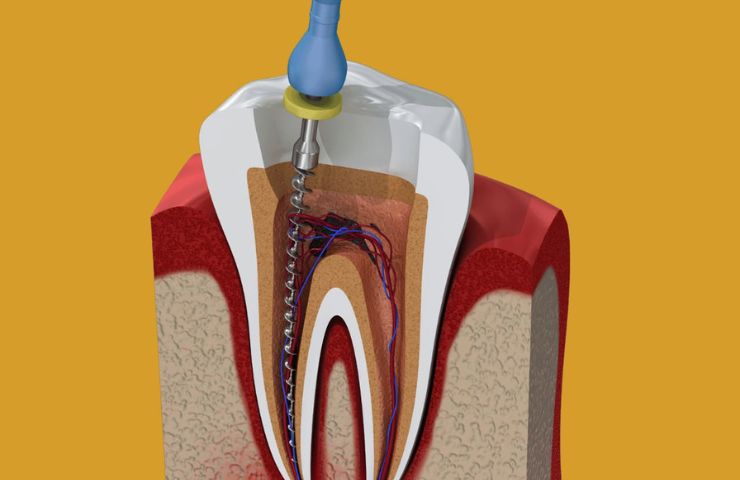
A toothache can be a chronic source of discomfort and irritation if the pain persists. Not only is this a pain to deal with, but if you are a frequent sufferer of tooth pain, there could be an underlying serious problem. The most common cause of tooth pain is an infection in the tooth’s pulp. This is because the pulp of a tooth is soft tissue.
Fortunately, there is a solution to this problem: root canal treatment. Indeed, with this treatment, you will be able to eliminate the pain caused by the infection in your teeth and resume your daily routine as usual. You will find out more about this treatment in this blog.
What is a Root Canal Treatment?
Endodontic treatment or root canal therapy is done by a dentist or an endodontist. The process involves removing the infected dental pulp and filling it to protect it from future infection. It is performed in response to problems within the dental pulp, the innermost part of the tooth composed of nerve and vascular tissues. However, if this is infected or damaged, it can cause significant pain.
Contrary to the widespread belief that root canal treatment in Decatur can be a painful procedure, in reality, the treatment is performed to relieve the patient of this pain. Most patients feel less pain after the procedure.
Why Does Tooth Pain Occur?
Before exploring the role of root canal treatment in relieving dental pain, let’s examine the causes of dental pain. The most common cause of dental pain is an infected pulp inside a tooth. Tooth decay or dental trauma often causes bacterial infection of the dental pulp. As a result, the pain caused in the tooth increases with time and may radiate to the surrounding gum or jaw.
Symptoms of an infected tooth include:
- Toothache or pain upon chewing
- Swelling or tenderness in the gums
- Temperature, whether hot or cold
- Discoloration of the tooth
- Pimple-like swelling on the gums
If you feel any of the above symptoms, it may be time to see your dentist about endodontic treatment.
How Root Canal Treatment Relieves Tooth Pain?
Endodontic treatment is beneficial in several ways when it comes to providing relief for a toothache:
- Relief from Pain: The most common cause of tooth pain is an infection of the pulp. Endodontic treatment procedures eliminate the infection, relieving toothaches instantly.
- Prevents Future Problems: Once a tooth has undergone the treatment, it is sealed and protected from further infection or decay.
- Saves the Natural Tooth: The treatment is preferred to tooth removal for a damaged tooth because it allows dentists to save the tooth. Tooth preservation is vital.
- Recovery: A patient may feel some discomfort after surgery, but any aching from the infected tonsils will be resolved. The process of recovery will not take much of a patient’s time.
Why Early Treatment Matters?
If the tooth becomes infected and you do not do something about it, you may end up with an abscessed tooth or an infection that could lead to its extraction.
Patients in Decatur, GA, should seek treatment at the first sign of symptoms, such as tooth sensitivity or swelling, to help save their tooth and prevent future problems. Remember, the sooner you start treating tooth pain, the better it is for you.
Root Canal Treatment Process
Generally, the process of root canal therapy involves several steps that vary depending on the extent of the infection or damage.
Consultation and Diagnosis
During your first visit, your dentist will examine your tooth and may need to take some X-rays to confirm how far the infection has spread. If endodontic treatment is required, your dentist will fully explain it to you.
Anesthesia and Preparation
Local anesthetics will be administered to numb the region surrounding the affected tooth. This ensures the patient feels no pain as the procedure progresses. The dentist will also place a rubber dam around the tooth to ensure the area is dry and free of saliva.
Removal of the Infected Pulp
The dentist will then drill a small access hole on top of the tooth. Using special instruments, they will remove any infected and/or damaged pulp material and clean the roots.
Cleaning and Shaping the Canals
After the pulp has been extracted, the dentist will then cleanse and prepare the canal surfaces in readiness for filling. This process ensures that no bacteria remain in the tooth, which could prevent the development of infection.
Sealing the Tooth
Once the canals are cleaned, your dentist can fill your tooth with a biocompatible material called gutta-percha. The gutta-percha will prevent bacterial infections by sealing the canal. A temporary filling can be placed if a permanent one has not yet been created.
Restoring the Tooth
In many situations, a tooth that has undergone the treatment procedure will need to be crowned. Crowning will help prevent the dental structure from cracking or fracturing, a risk that can occur when the tooth has been made brittle by the removal of its pulp.
Book Your Appointment at Druid Hills Dental
Root canal therapy not only eases your pain but also helps restore your smile. Some benefits of this procedure include regaining the ability to chew, speak, and smile comfortably. If you have been facing pain in a specific tooth, this procedure will provide the relief you have been searching for.
If you are ready to put an end to the pain and reclaim your smile, let the professionals of Druid Hills Dental walk with you through the process, and you can be on your way to a pain-free smile in no time! Call us today to schedule an appointment so you can enjoy a healthy, pain-free smile for years to come!
FAQs
- Is root canal treatment painful?
Root canal treatment is performed under local anesthesia to ensure you remain pain-free during the procedure. Afterward, some mild discomfort may occur, but this is temporary. Most patients experience significant relief as the infection resolves and the tooth heals. - How long does a root canal take?
A root canal typically takes 90 minutes to two hours, depending on the complexity of the infection and the tooth involved. Follow-up visits may be needed to place a permanent crown to restore full function and ensure the tooth remains protected. - Can root canal treatment save my tooth?
Yes, root canal treatment is highly effective at saving damaged or infected teeth. The procedure removes infected tissue and seals the tooth, allowing it to be restored with a crown for long-term durability and function, preserving your natural tooth for years to come. - What happens if I don’t get a root canal?
If left untreated, the infection inside the tooth can worsen, causing severe pain, swelling, or an abscess. The infection may also spread to surrounding teeth and tissues, ultimately leading to tooth loss. Seeking treatment early can prevent these complications. - Will I need a crown after a root canal?
Yes, after a root canal, a crown is usually recommended to restore the tooth’s strength and protect it from further damage. The crown helps ensure the tooth remains functional and durable for long-term use, restoring your smile’s appearance and bite.