1275 McConnell Drive, Suite H. Decatur, GA 30033
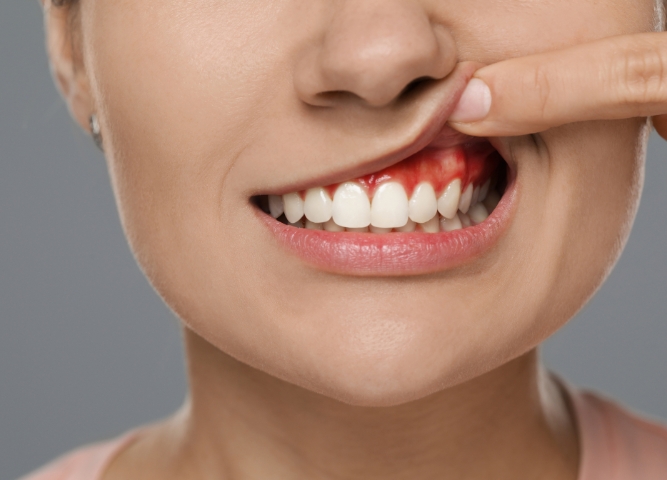
Everyone suffers from common dental problems, yet most are unaware they have gum disease. However, the early signs of gum disease can often go unnoticed, as it does not necessarily cause any pain or discomfort. The consequences of ignoring gum disease can, however, lead to more serious problems, such as tooth loss. While living life to the fullest and experiencing all that Decatur has to offer, we often do not realize the importance of an oral care regimen for our oral and overall health.
If you have noticed that there have been some subtle changes in your gums, it may be time to focus on what is going on within your mouth. Early recognition is the key to avoiding bigger problems in periodontal disease in Decatur. We must realize if it is time to focus on what is going on within our mouths. This blog will help you detect the early signs that indicate it’s time to contact your dentist or periodontist.
What is Periodontal Disease?
Periodontal disease (more commonly called gum disease) is a gradually progressing condition that affects the tissues surrounding and supporting teeth. It normally starts with gingivitis and, if neglected, can move on to further stages and the bone surrounding the teeth.
Fortunately, a periodontal disease in Decatur can often be treated or reversed early with proper oral care practices and routine dental visits to a professional dental office such as Druid Hills Dental.
Early Warning Signs Of Gum Disease
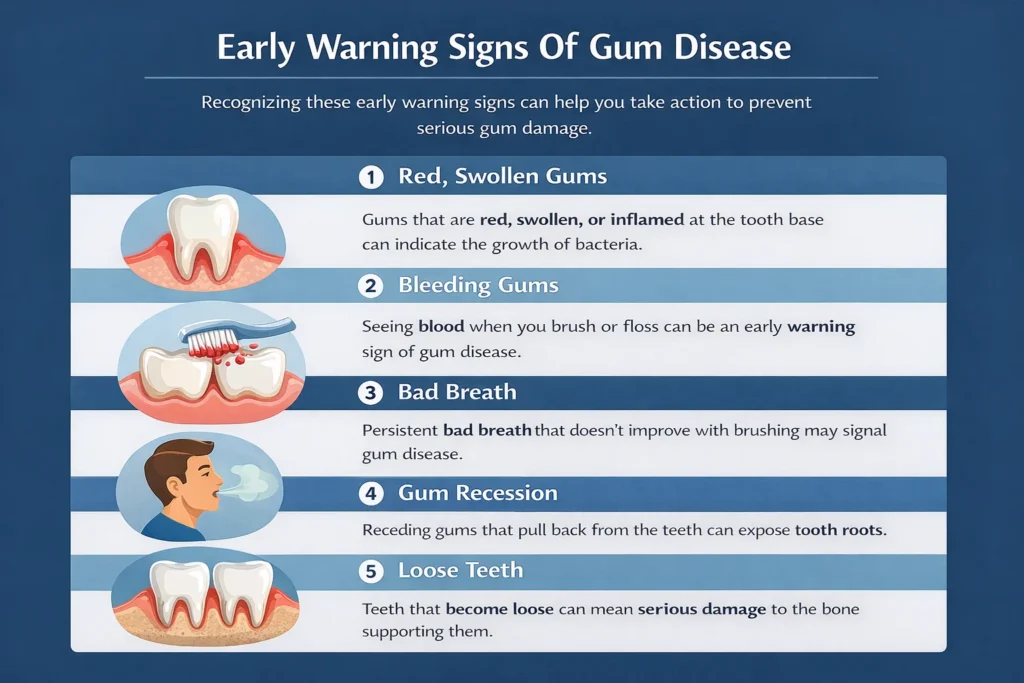
Understanding the initial signs of gum disease will enable you to take action to prevent long-term damage. Recognizing issues like redness, bleeding, or bad breath in their early stages will ensure you can take steps to protect your oral health.
1. Red, Swollen Gums
One of the first visible symptoms of gum disease is if you notice your gums become red and swollen around the bottom of the tooth. Your gums should typically appear pink and firm, and when inflammation occurs, you may find them appear puffed and more reddish at the base of the tooth. If you notice these changes, it can indicate the growth of bacteria.
2. Bleeding Gums
When you brush your teeth or spit and rinse into the sink, you may find that blood is on your toothbrush or in the sink. This may be an early warning sign of gum disease because healthy gums don’t normally bleed after brushing or flossing. It will most likely be a sign of gingivitis, which is the initial stage of gum disease, and it is vital not to ignore it, as it can lead to far more serious conditions later on.
3. Bad Breath
Persistent bad breath, or halitosis, is another warning sign of your gum health. If your breath has a foul smell that persists and you cannot seem to clear it even after brushing, this can be another early sign of gum disease. Bacteria in the mouth can produce sulfur compounds, which lead to long-term bad breath.
4. Gum Recession
Receding gums are an obvious symptom of periodontal disease. If your gum line starts pulling back from the teeth, it will make your teeth look longer than usual and show the root of the tooth, which you may not normally see. This is an sign that the disease may be affecting the gum health.
5. Loose Teeth
As the disease progresses, it can cause the affected bone in the jaw that holds teeth in place to deteriorate. If your teeth start to become loose, it likely means the condition is now severe, and you will need to be seen by a periodontist.
What Causes Gum Disease?
Gum disease is primarily caused by the build-up of dental plaque, a sticky layer of bacteria that accumulates on teeth and can harden into tartar, a hard substance that is resistant to brushing alone and can only be removed by dentists, periodontists, or hygienists. Failure to brush and floss properly will encourage the buildup of dental plaque and gum disease.
There are various additional risk factors that can increase a patient’s risk of developing gum disease, including smoking, a genetic predisposition, certain medications, hormonal changes such as pregnancy or the menopause, and underlying medical conditions such as diabetes. It is always best to discuss any potential risk factors with your dentist or periodontist if you have noticed symptoms associated with gum disease.
When To Call Your Periodontist?
A periodontist is a dentist with specialist training and knowledge in the diagnosis and treatment of periodontal disease. Any patient experiencing any of the above symptoms should call Druid Hills Dental. We will assess your current condition and advise on the most appropriate course of action.
In the early stages of gum disease, treatments typically involve non-surgical procedures such as scaling and root planing to remove plaque and tartar from beneath the gum line. Advanced gum disease may involve surgical treatment. The earlier a condition is identified, the more successful treatment will be.
The Importance of Regular Dental Checkups
Regular dental check-ups are a fundamental part of good gum health. Regular cleanings and check-ups will help us detect early warning signs of gum disease and provide effective treatments. During a check-up at Druid Hills Dental, your dentist will also be able to identify early signs of disease and offer tips and advice for home dental care.
Ensure Long-Term Gum Health with Early Detection
If you’ve noticed any changes in the health of your gums, it’s never too late to address any potential concerns. Getting treatment for any gum disease soon enough can have an impact on your smile and eliminate the need for larger treatments later on.
If you think you may have gum disease and are in the Decatur area, now is the time to contact Druid Hills Dental. Call us today to schedule an appointment, we are committed to assisting you with proper oral health maintenance through routine checkups and examinations. Our team is ready to address any concern related to your teeth or gums.
Questions People Ask About Periodontal Disease
What are the first signs of periodontal disease?
The first signs of periodontal disease include swollen, red gums that bleed when brushed or flossed. Early detection is key to preventing progression to more severe stages.
Can gum disease be reversed in its early stages?
Yes, gum disease can often be reversed with proper care in its early stages. Regular cleaning and better oral hygiene can reduce inflammation and restore gum health.
How does smoking affect gum disease?
Smoking significantly increases the risk of gum disease by impairing blood flow to the gums, making it harder for the body to fight infection. Smokers are also more likely to experience severe gum disease.
Is there a link between diabetes and gum disease?
Yes, people with diabetes are at higher risk for gum disease due to reduced ability to fight infections. Managing blood sugar levels is crucial for preventing gum issues.
Can pregnancy affect my gum health?
Pregnancy can lead to hormonal changes that increase your risk of developing gum disease. Pregnant women are more prone to gingivitis, so it’s important to maintain good oral hygiene during pregnancy.