
1275 McConnell Drive, Suite H. Decatur, GA 30033
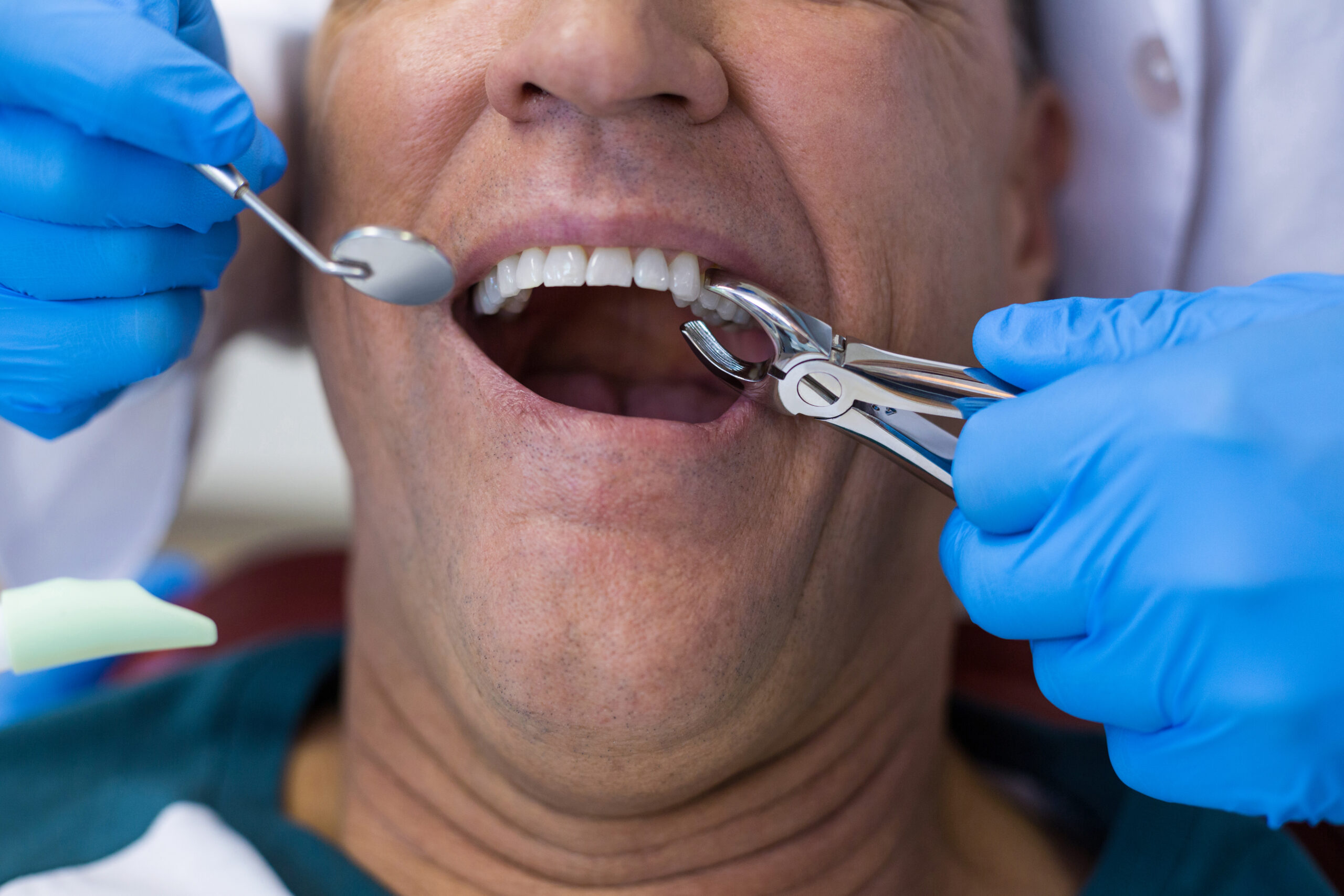
A tooth extraction is a common dental procedure, but how long should you expect to heal afterward? Whether it’s a simple removal or a more complex extraction, understanding the healing timeline is essential for managing your recovery effectively.
In this guide, Dr. Ian Carlson, a trusted professional at Druid Hills Dental, breaks down the typical healing process after a tooth extraction. He offers practical tips and advice to help you navigate each stage of your recovery. From post-procedure care to when you can return to your normal routine, this blog provides everything you need to know for a smooth and successful healing journey.
The goal of this blog is to help you understand what to expect, make your recovery more manageable, and ensure you heal as quickly and comfortably as possible.
What Happens During a Tooth Extraction?
Overview of the Procedure
Tooth extractions are commonly performed when a tooth is severely damaged, decayed, or infected, or if there’s not enough room in the mouth for orthodontic treatment. Extractions can be classified into two types: simple extractions and surgical extractions.
A simple extraction is typically performed when a tooth is visible above the gum line, and it can be removed using forceps. A surgical extraction, however, is more complex and involves the removal of teeth that are not easily accessible, such as impacted teeth. This type of extraction often requires an incision in the gum tissue and sometimes the removal of bone around the tooth.
Post-Extraction Recovery Begins
Immediately after the procedure, patients will likely experience some discomfort as the anesthesia wears off. It’s normal to feel slight pressure or mild pain around the extraction site.
In some cases, there may be minor bleeding, which usually stops within a few hours. Your dentist will provide gauze for you to bite down on to help control the bleeding. For those with surgical extractions, you may be advised to avoid any strenuous activity for the first 24 to 48 hours.
After the extraction, the body begins to heal by forming a blood clot at the extraction site. This clot is essential as it helps protect the exposed bone and nerves from infection. It’s crucial not to disturb the clot, which is why following Dr. Carlson’s aftercare instructions carefully is key to healing.
The Healing Timeline: Day-by-Day Breakdown
Day 1: The first day after the tooth extractions in Decatur is critical. Expect some bleeding, which should subside within the first few hours. You may also experience swelling around the extraction site. Dr. Carlson recommends applying an ice pack for 15 minutes on and off to minimize swelling. Pain and discomfort are common, so the pain medication prescribed by Dr. Carlson should help alleviate this.
Day 2-3: During this period, the swelling may peak. Pain management will continue to be necessary. The use of ice packs should still be considered for reducing swelling. Eating soft foods and staying hydrated is important to avoid irritating the extraction site. You may experience some discomfort when chewing, but it’s a sign that the body is actively healing.
Day 4-7: By this time, the most severe pain and swelling should begin to subside. The blood clot has formed, and tissue healing will start. You might still feel some mild discomfort or sensitivity, but this is normal as the gum tissue and bone begin to heal.
Week 2: After a week, the majority of the discomfort should have diminished. The gum tissue is healing well, and follow-up visits may be scheduled to ensure everything is progressing smoothly. Swelling should have significantly reduced by this point.
Week 3 and Beyond: Full recovery typically occurs in 3-6 weeks, but the bone and gum tissue will continue to heal for several months. After about a month, most patients will feel fully recovered, but the site may still be sensitive to extreme heat or cold.
Factors That Affect Healing Time
Age and Health
Your age and overall health play a significant role in how quickly you recover from an extraction. Younger individuals tend to heal faster, while those with underlying health conditions such as diabetes or immune disorders may experience a slower recovery. It’s essential to discuss any pre-existing conditions with Dr. Carlson to ensure proper care and recovery.
Type of Extraction
As mentioned earlier, the complexity of the extraction impacts healing time. A simple extraction generally has a faster recovery time compared to a surgical extraction, which involves more tissue disruption. Surgical extractions may require more attention to detail during the recovery process, so it’s essential to follow Dr. Carlson’s aftercare recommendations closely.
Post-Op Care
Proper aftercare can significantly impact how quickly and effectively you heal. Following Dr. Carlson’s guidance regarding diet, activity levels, and medication is crucial. Poor aftercare, such as disturbing the blood clot or consuming hard-to-chew foods too soon, can delay recovery.
Common Challenges and How to Overcome Them
Pain Management
It’s normal to experience some level of discomfort during the first few days after the procedure. Dr. Carlson typically prescribes pain medication to manage this. Over-the-counter medications like ibuprofen can also help reduce inflammation and pain. Avoiding aspirin, however, is important as it can increase bleeding.
Swelling and Bruising
Swelling is common, especially in the first 48 hours. While swelling can be alarming, it’s a natural part of the healing process. Applying ice during the first 24 hours can help reduce the swelling. If bruising occurs, it should fade within a few days to a week. If swelling worsens after the first 48 hours, it could be a sign of infection, and you should contact Dr. Carlson immediately.
Dry Socket
Dry socket occurs when the blood clot is dislodged, exposing the bone and nerves. It can cause severe pain. To avoid this, it’s important to follow Dr. Carlson’s aftercare instructions, such as avoiding sucking motions (like using a straw) and not disturbing the extraction site. If dry socket occurs, Dr. Carlson may need to treat it with a medicated dressing.
Diet and Restrictions
For the first few days after the tooth extractions in Decatur, you should stick to soft foods like yogurt, mashed potatoes, and soup. Avoid crunchy, hard, or spicy foods that can irritate the extraction site. Stay hydrated, but avoid drinking through straws, as this can dislodge the blood clot.
Tips for a Smooth Recovery
Follow Dr. Carlson’s Recommendations
Dr. Carlson will provide specific aftercare instructions, including how to manage pain, swelling, and diet. Make sure to follow these instructions carefully to prevent complications and ensure a quicker recovery.
When to Seek Professional Help
While some discomfort is normal, some signs indicate you should seek professional help. If you experience severe pain, prolonged swelling, or excessive bleeding, contact Druid Hills Dental immediately. These could be signs of infection or other complications that require attention.
Healing after a tooth extraction generally takes a few weeks, with the most intense discomfort occurring in the first few days. With proper care, you can expect a smooth recovery process. Be sure to follow Dr. Carlson’s instructions for managing pain, swelling, and diet to help speed up your healing.
If you’ve recently had a tooth extraction and want to ensure proper healing or need help with post-op care, don’t hesitate to contact Druid Hills Dental. Our team is here to help guide you through every step of your recovery. Call us today to schedule your follow-up appointment.
People Also Ask
When can I resume normal activities after a tooth extraction?
Most patients can return to normal activities within 3-4 days, but avoid strenuous activities for at least a week to prevent complications.
What signs indicate that I need to contact Dr. Carlson?
If you experience severe pain, excessive bleeding, or worsening swelling after the first 48 hours, contact Dr. Carlson immediately for further evaluation.
Can I eat normally after a tooth extraction?
For the first few days, stick to soft foods like yogurt and mashed potatoes. Avoid hard, crunchy, or spicy foods that could irritate the extraction site.
When should I start brushing my teeth again after the extraction?
You can brush gently around the extraction site after the first 24 hours. Avoid brushing directly on the site until it’s fully healed.